Advancing quantum computing through dialogue and networking
Theoretical and practical ideas came together at quantum computing events, conferences, and courses in Amsterdam this summer.
There’s a strong quantum computing research foundation in Amsterdam. The city is home to the University of Amsterdam (UvA), research organisation QuSoft, NWO institute CWI and a cluster of promising spinouts and startups focused on theoretical and practical quantum research and applications.
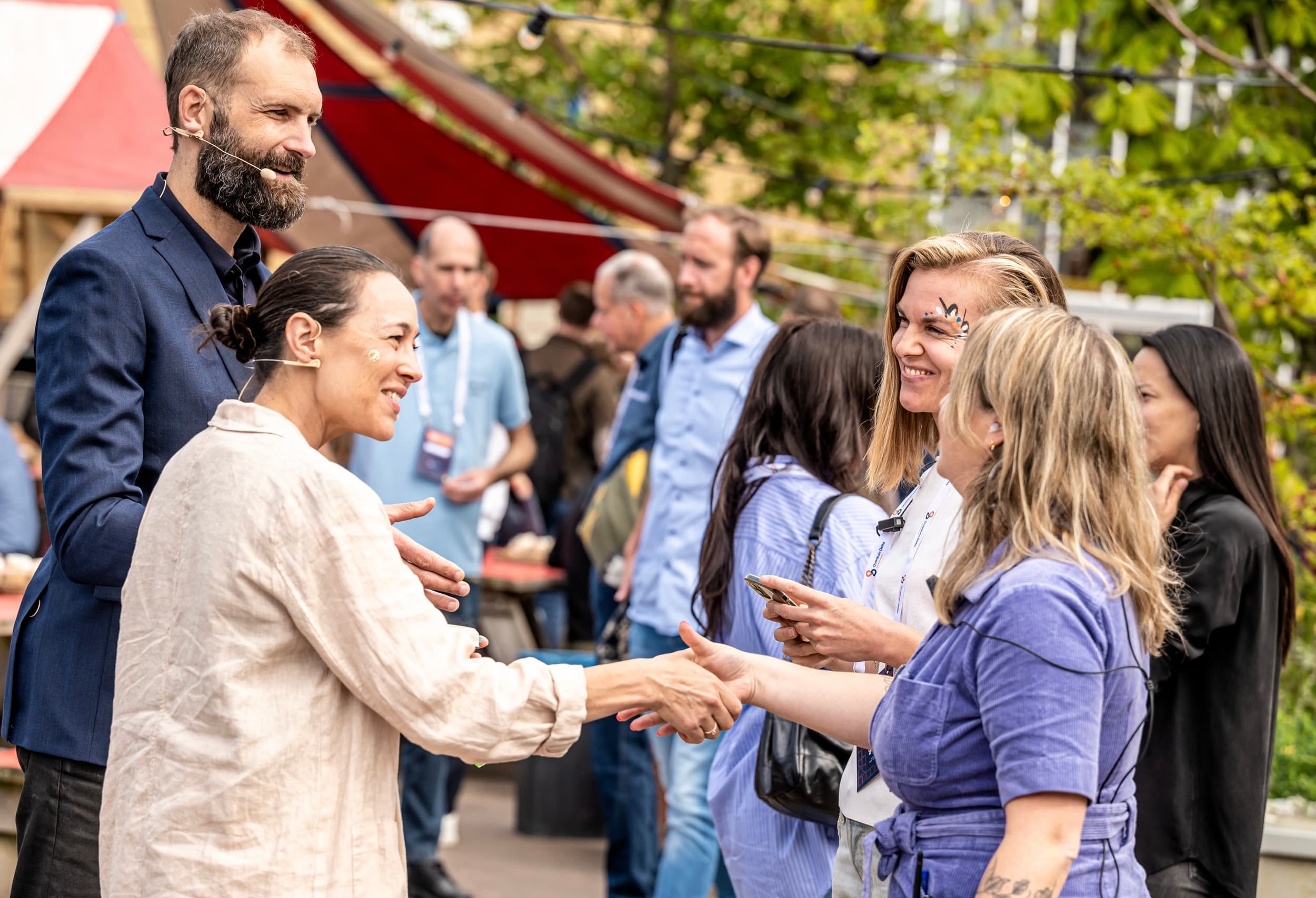
Throughout this summer, two significant quantum events took place in the city: QSim26, QPL 2026 and the CWI research semester programme on quantum algorithms and quantum error correction, jointly organised by QuSoft, is about to start between September and October. Through presentations, pitches, panels and workshops, these events took on significant themes in the world of quantum computing – from the exploration of how our understanding of the physical world influences our understanding of quantum systems, to the value of simulation, to debating how theory and practice together build the mathematical foundation of quantum through logic.
QPL 2026
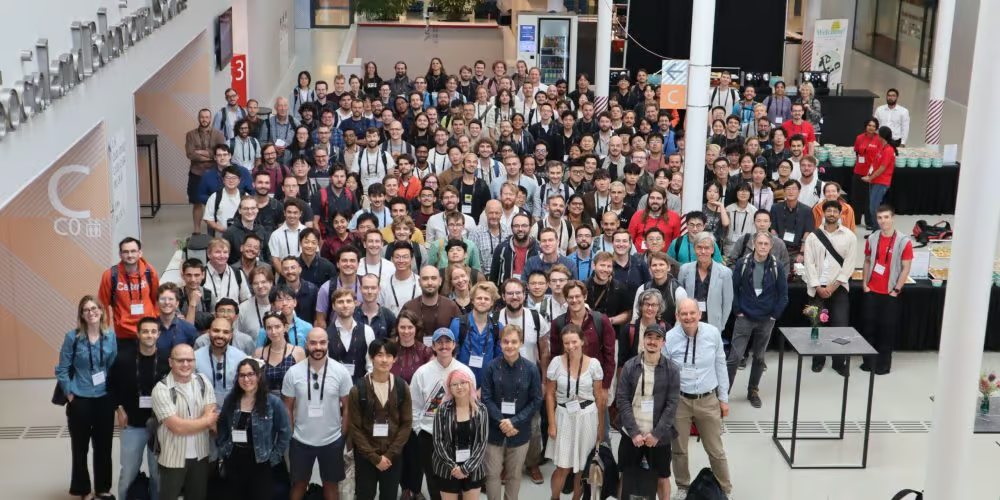
The 23rd International Conference on Quantum Physics and Logic (QPL 2026) brought together nearly 200 quantum researchers, computer scientists, and mathematicians at the University of Amsterdam, Roeterseiland campus, between 15-21 August 2026.
The programme focused specifically on research at the intersection of mathematics and physics and examined how algorithms and mathematical principles can address real-world hardware challenges. Topics included fault tolerance, causality, contextuality and quantum speedups, generalised probabilistic theories, and measurement-based quantum computing.
More broadly, it explored where quantum algorithms can support classical methods and where quantum computing provides a real advantage.
Several companies from the Netherlands’ quantum ecosystem also participated in a career fair during the conference, offering these companies the opportunity to connect with emerging talent and prospective employees.
Read more about the research highlights from QuSoft researcher John van de Wetering: Quantum Physics and Logic 2026: Scientific Highlights.
QSim2026
This year’s QSim conference focused on the intersection of the theoretical and the experimental, highlighting how the theory-experiments gap is closing now that the resources required to run useful chemistry and physics simulations on quantum hardware is decreasing.
“In the beginning, experimentalists said, ‘we can make 1 qubit and that is a big deal,’ while theorists said, ‘we need a million or more.’ Today, as algorithms become more efficient and hardware scales from dozens to hundreds of performant qubits, those two worlds are finally meeting.” - Kareljan Schoutens, Professor of Theoretical Physics at UvA and QuSoft co-founder.
In the plenary, panellists specifically homed in on the importance of a collaborative mindset. They reinforced that it is not necessarily a single architecture or model that will drive progress in quantum simulation, but that each platform benefits when they validate and inform one another.
Review additional insights from the panel here: When theory meets hardware: Takeaways from QSim 2026
CWI-QuSoft’s research semester
CWI-QuSoft’s research semester provides a structured environment that encourages new theoretical insights, facilitates academic collaborations, and develops future research directions in quantum software. The workshops – started already in August with a summer school and upcoming in September and October – focus on quantum error correction (QEC) and quantum algorithms. Together, these areas provide the foundation needed to advance quantum computing and keep methodologies and algorithms up to date.
More on the research semester: Research semester on Quantum Algorithms and Quantum Error Correction
Each of these events helped facilitate new collaborations and networking, while also creating a forum for the discussion and debate around quantum computing principles that will continue to influence innovation and progress. While theory remains an important foundation for testing and discovery, participants and speakers also looked ahead to potential practical applications and quantum computing use cases across research areas, business industries, and society.
Related news
QuDef and The Thought Projects partner to bring QKD system security assurance to Asia-Pacific
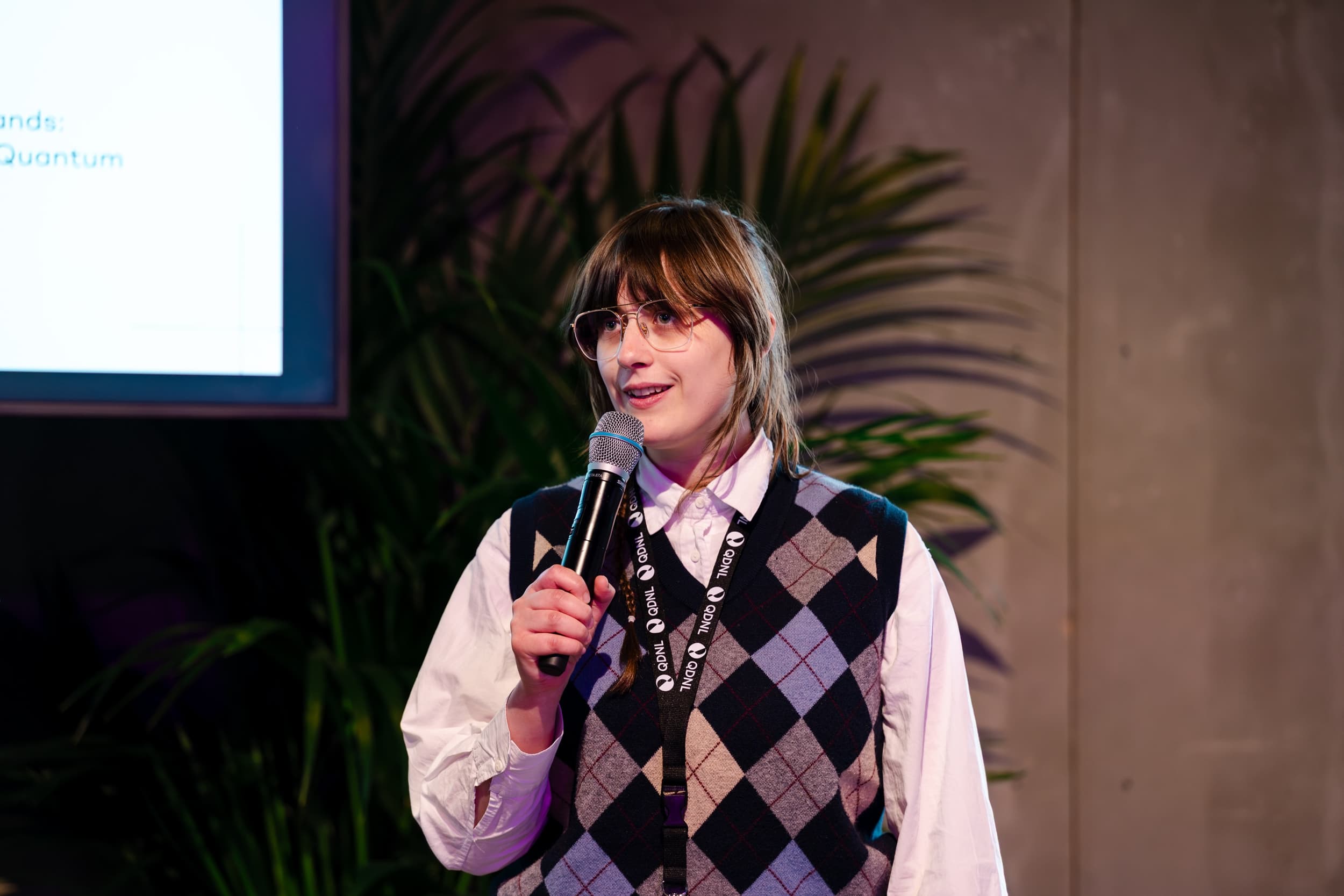
PhD student Elisa Pioldi wins pitch competition at Quantum Meets 2026
Q*Bird launches the Falqon® Key Manager to enable scalable quantum secure networks
Qubitrium launches QubitCore hardware into space
Q*Bird and Walton Institute deploy QKD network with expandable architecture
Leading Europe’s quantum frontier - UPM and Q*Bird launch Spain’s first multi-node MDI-QKD network